Target lesion and distribution
Study how imaging can document lesion location and the distribution of investigational local delivery.
SunGlow Innovations VETERINARY RESEARCH
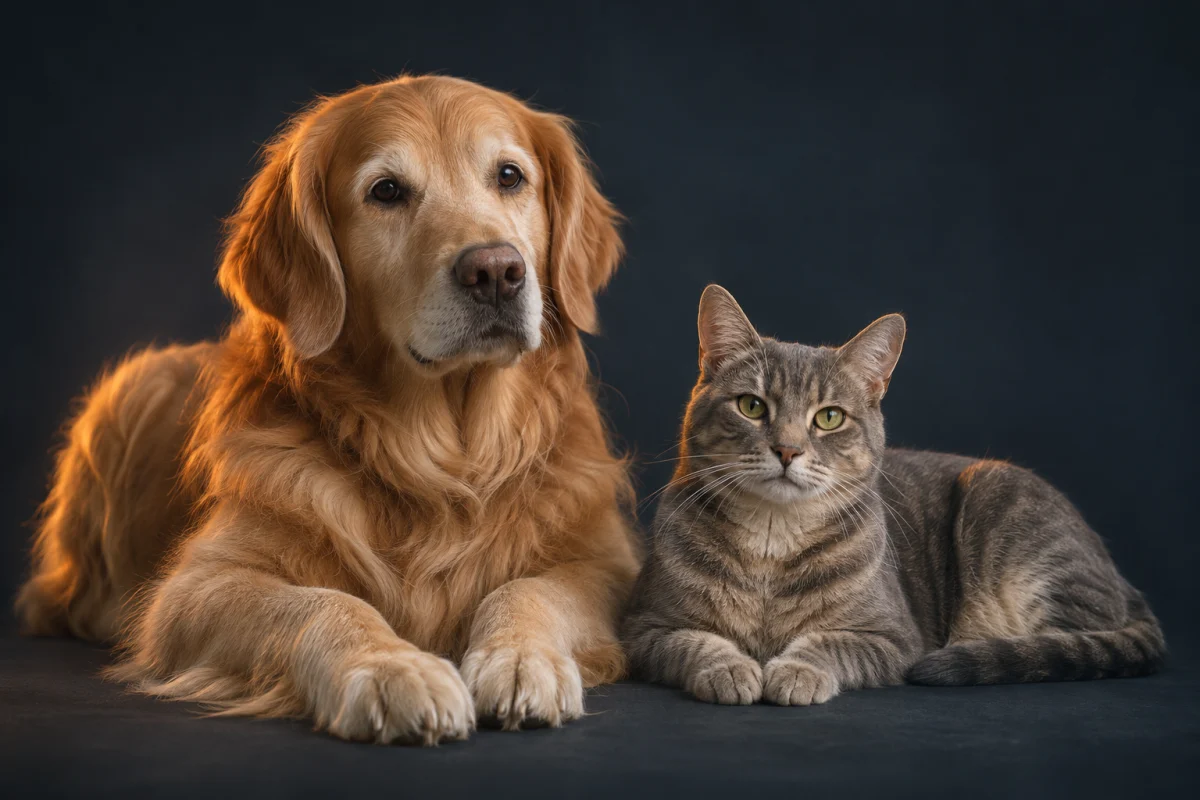
The veterinary program studies an investigational approach to image-guided local delivery in dogs and cats with spontaneous tumors.
Study how imaging can document lesion location and the distribution of investigational local delivery.
Characterize adverse events, local tissue reactions and tolerability in veterinary studies.
Plan consistent assessments of local tissue changes and clinical signs over time.
HISTORICAL OBSERVATIONS
The investigator brochure summarizes 22 animals with spontaneous tumors: 19 dogs and 3 cats. Clinical signs and local tissue changes varied by case.
The case records document the course of local tissue changes, including necrosis, tissue separation and healing. These observations guide the veterinary program’s assessment of local response, tolerability and duration of control.
Source: Investigator’s Brochure, section 5.
CVM INAD I-014155
The veterinary program is exploring intratumoral research in companion animals with spontaneous solid tumors, including dogs and cats. Study design and veterinary collaborations are in development.
CVM receipt date for the INAD opening submission
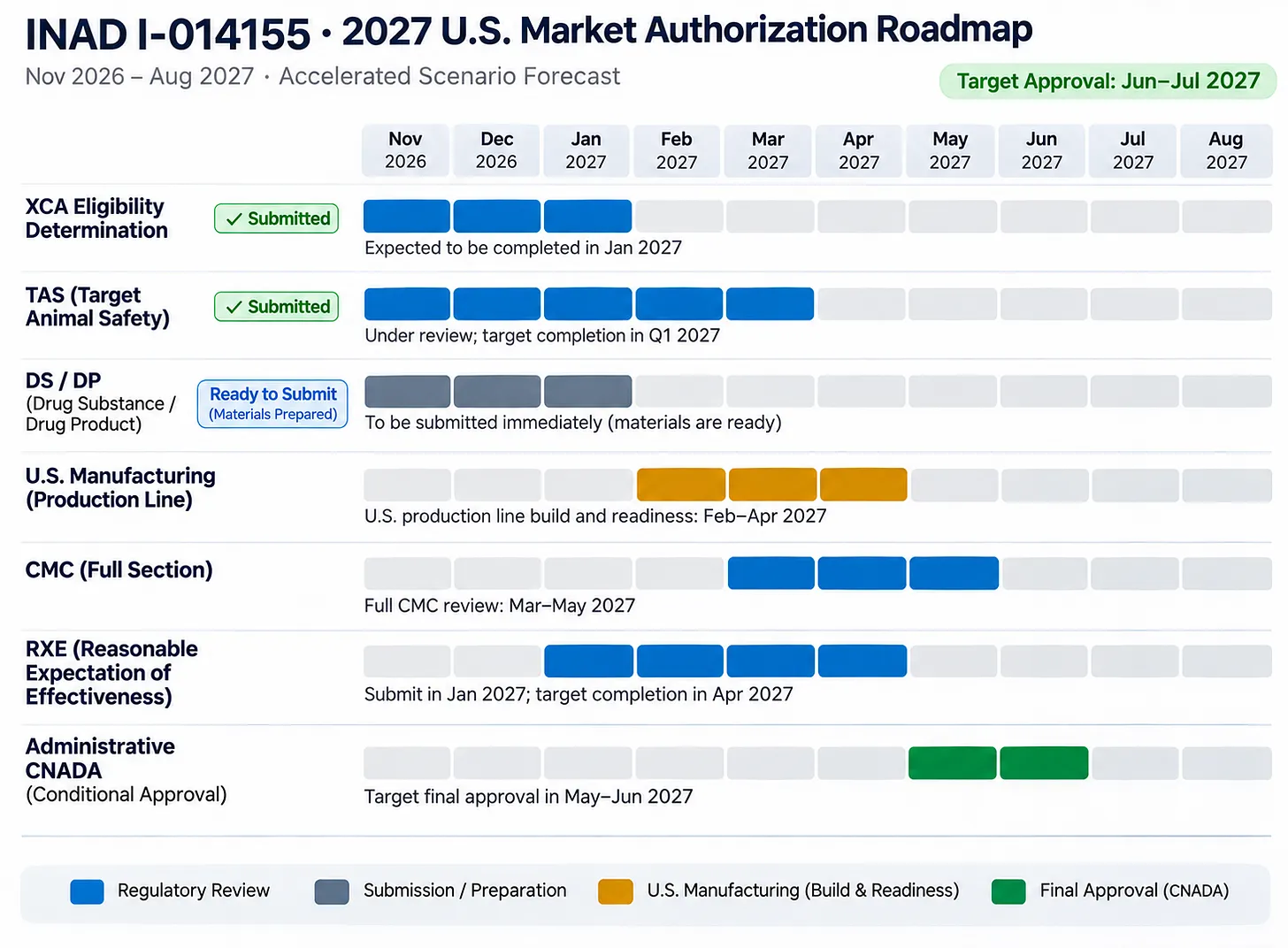
Submitted the expanded conditional approval (XCA) eligibility request. The CVM portal shows that the center sent a response.
Submitted target animal safety (TAS) materials for chlorine dioxide injection in dogs and cats. The CVM portal shows that the center sent a response.
The CVM receipt identifies SunGlow Innovations LLC and the investigational file. FDA evaluates animal-drug authorization and any marketing application separately.
Study sites and participation criteria will be posted when confirmed. For a pet’s current diagnosis or care, speak with its veterinarian or veterinary oncologist.
Company and research collaboration